
Project Spotlight · BEC Innovations
A 2023 Kitchen Update Focused on What Wasn't Working
Targeted Fixes for a Tired Kitchen · A Full Cost Breakdown
Overview
Why the Homeowners Came to Us
The kitchen on this project was tired in specific, identifiable ways. The cabinet doors were veneer over MDF, and the veneer was failing in several places. A few doors were missing or damaged past the point of repair. The crown moulding was hanging on by a thread. The Formica countertops were easily burned and discolored, making them frustrating to cook around. And the peninsula was the wrong shape for the room, cramping the dining area on one side while not creating a usable surface for bar seating on the other.
None of it was catastrophic. All of it was lived with for too long. The homeowners weren’t looking for a different kitchen — they were looking to fix the one they had and make it last.
What follows is the full project record: original scope, the one change order this project ran, and the final total.
Base Contract
$40,178
Original fixed-price proposal
Change Orders
+$3,000
Net total of all change orders
Final Project Cost
$43,178
All-in, including every change order
What Was Included
The Contract: Fix What's Broken, Improve What Doesn't Work
The $40,178 base contract was written around three goals: replace the failing materials, rework the peninsula area to fix the flow and add bar seating, and maximize storage in the new cabinetry. The appliances were in good working order and were removed for the work and reinstalled at the end. Here’s what the contract covered:
- New Shaker-style cabinetry throughout, replacing the failing veneer-on-MDF cabinet doors, the missing and damaged doors, and the crown moulding that was no longer serviceable. Shaker was the homeowner’s specific request for a timeless look.
- Cabinetry configured to maximize storage as a primary design goal of the rebuild.
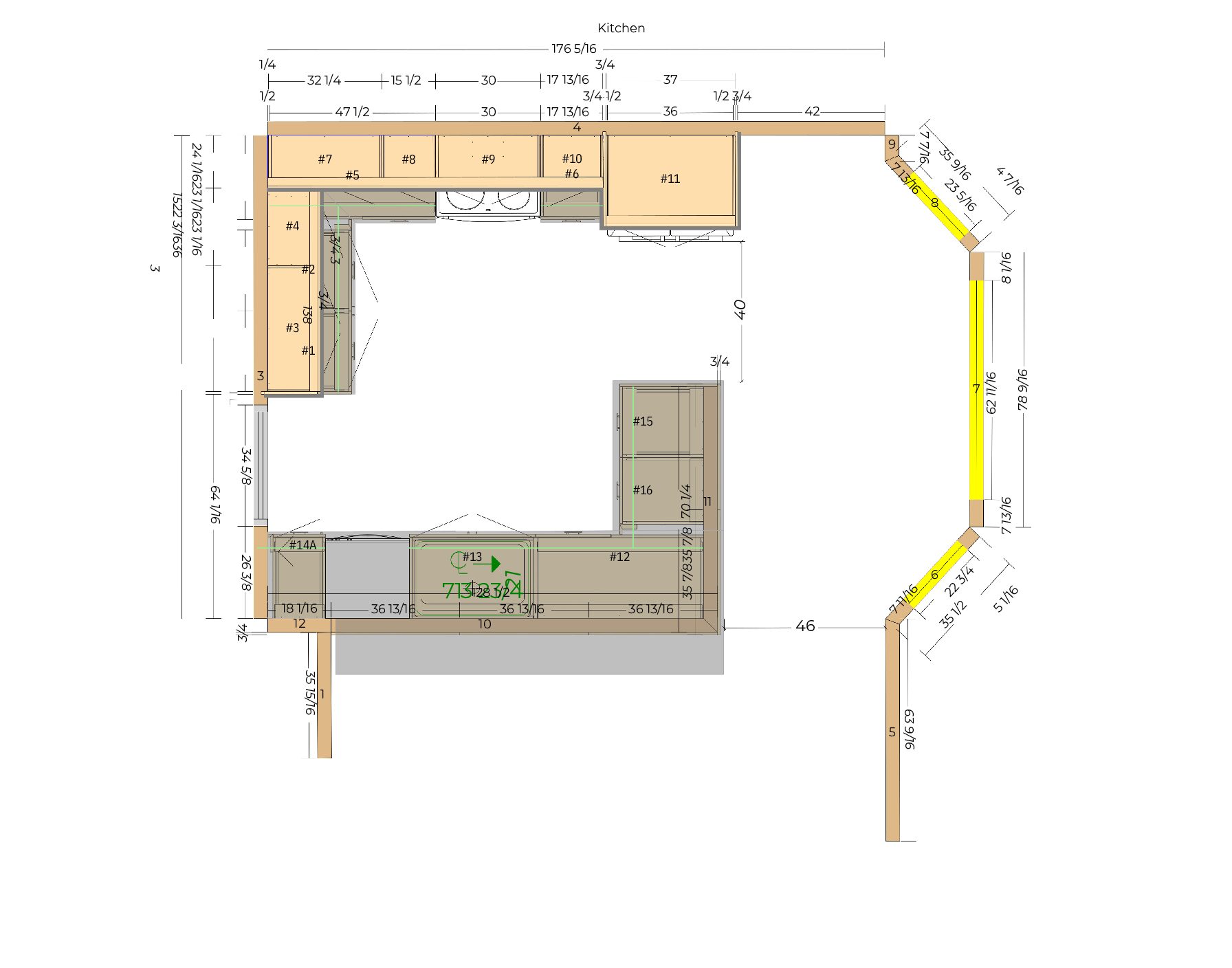
- Rework of the kitchen layout in the peninsula area, with two related goals: improve the flow of traffic that the original peninsula was disrupting, and create space for bar seating that the prior configuration didn’t allow.
- New countertops to replace the existing Formica, which had become uncomfortable to cook on.
- Removal and reinstallation of the homeowners’ existing appliances, which were in good condition and not part of the replacement scope.
What changed
One Change Order, and It Wasn't a Surprise
This project ran a single change order. It was for cabinet inserts and accessories — the drawer organizers, pull-outs, and interior fittings that turn a cabinet into a usable storage system. None of these were emergencies or surprises uncovered during construction.
This is a different category of change order than the structural-surprise type that tends to dominate renovation stories. Cabinet inserts get specified at the bid stage, and homeowners often defer the decision until they can see the actual cabinet boxes going in. That’s what happened here. The $3,000 represents the homeowner choosing organization upgrades on top of the cabinetry they were already getting — not a contractor catching something at demo that wasn’t priced in.
Before:
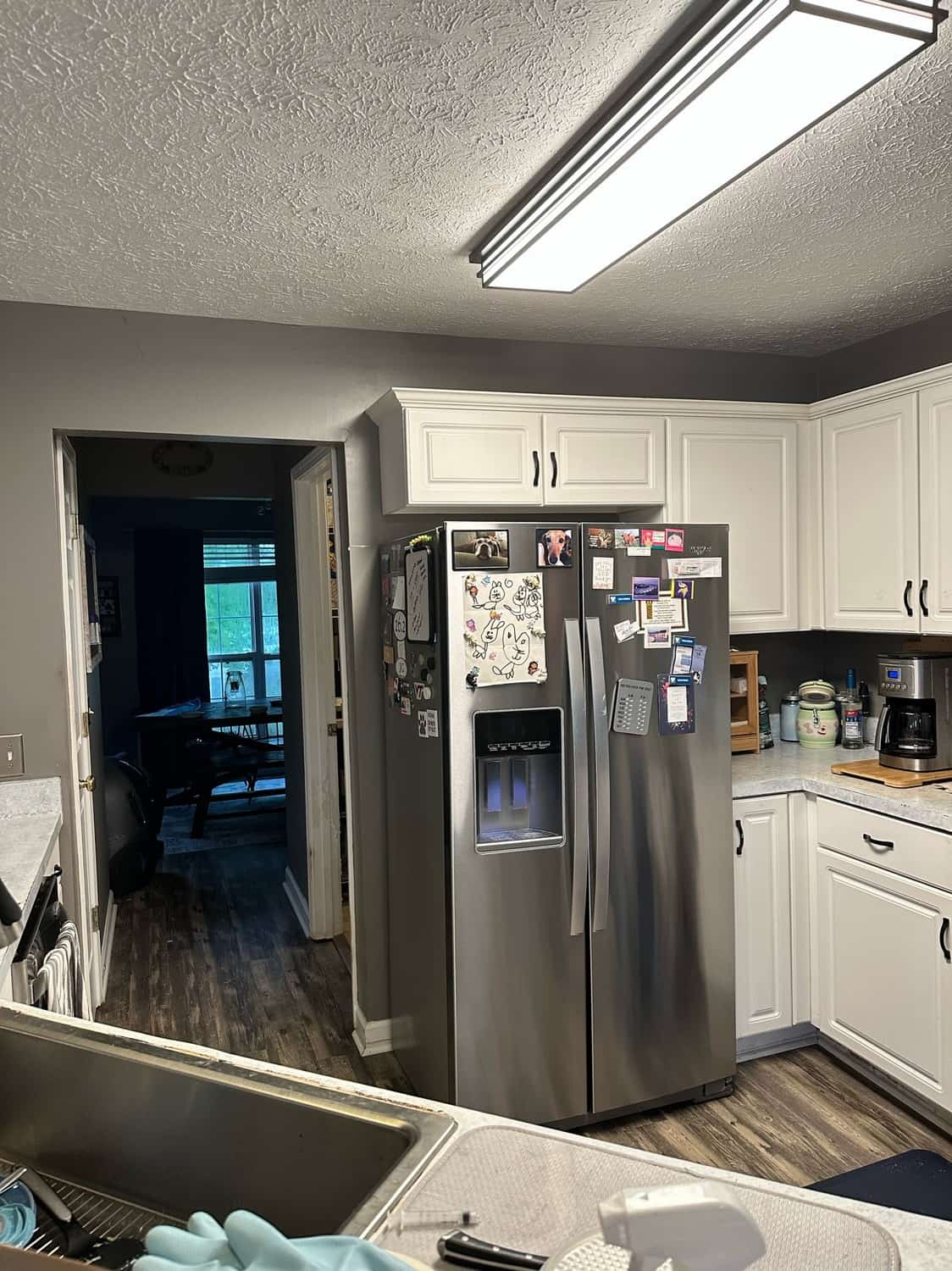
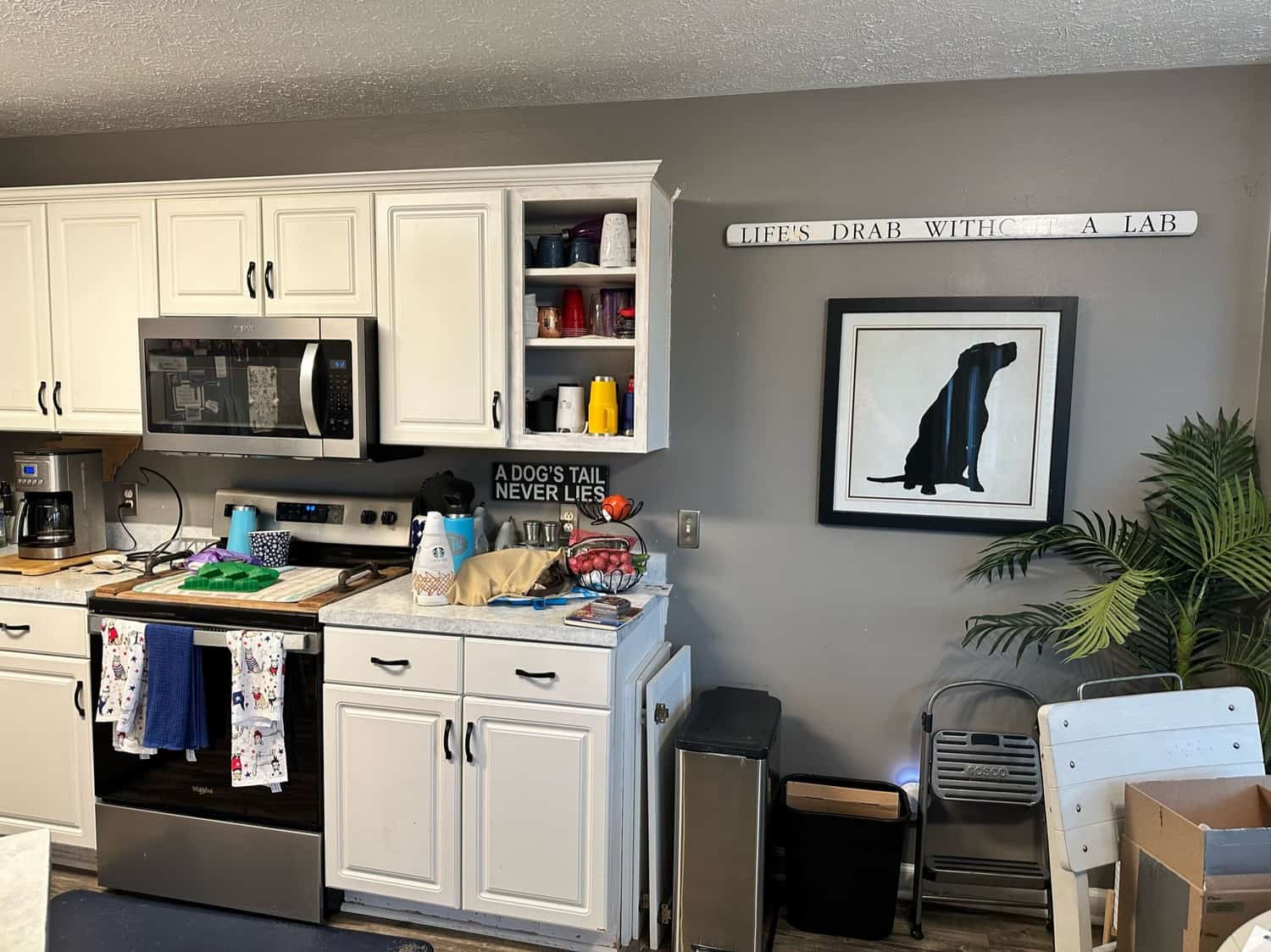
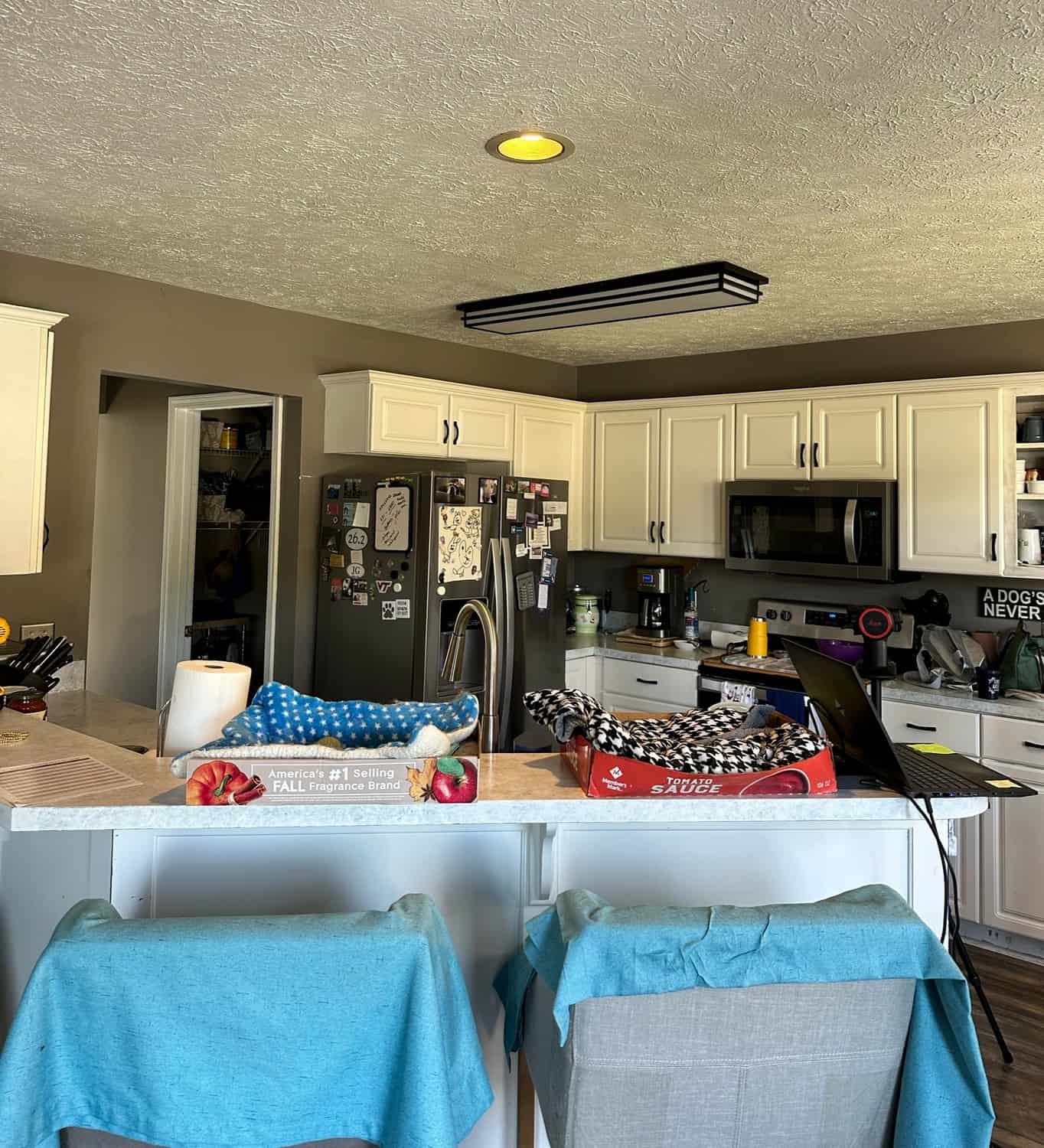
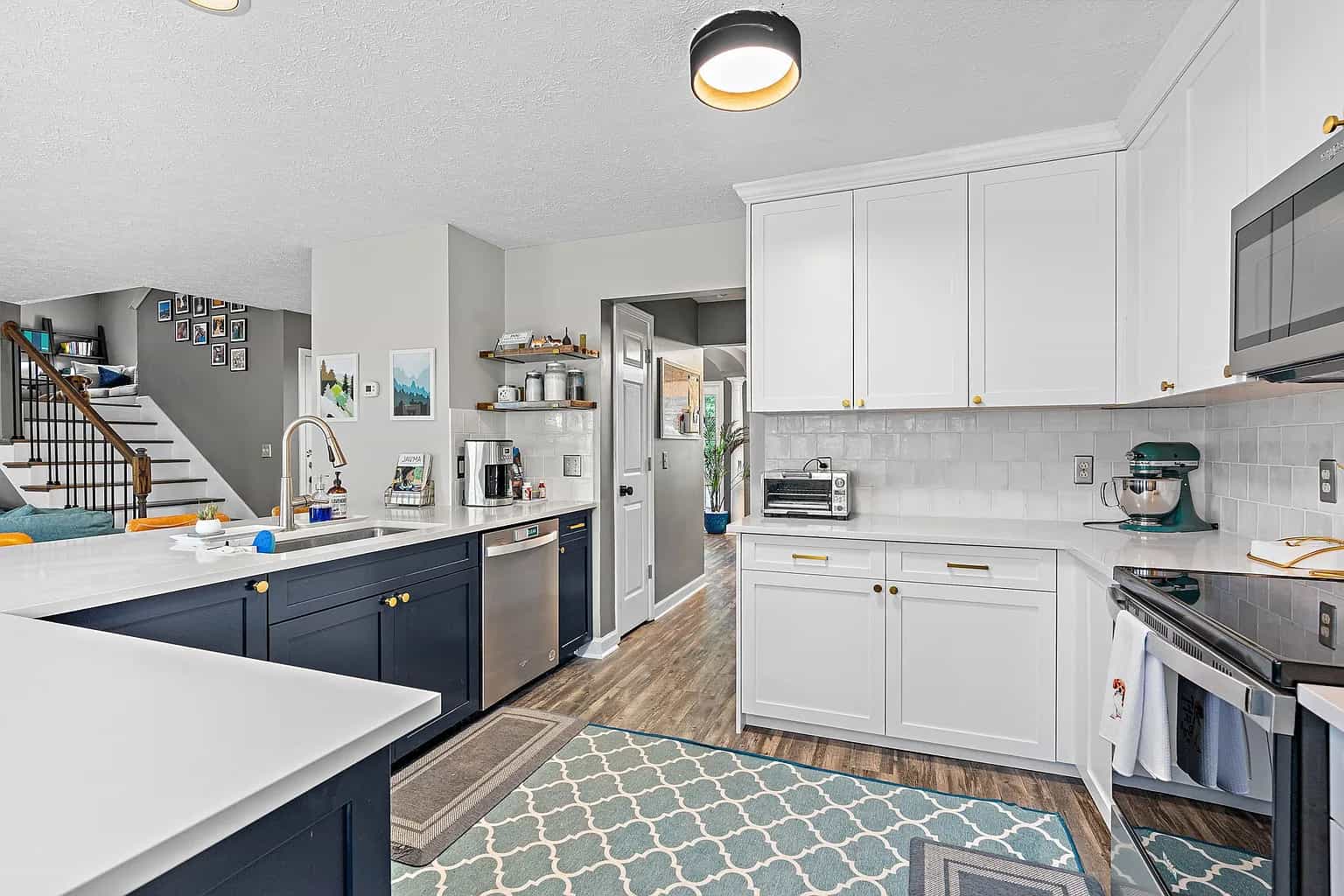
After:
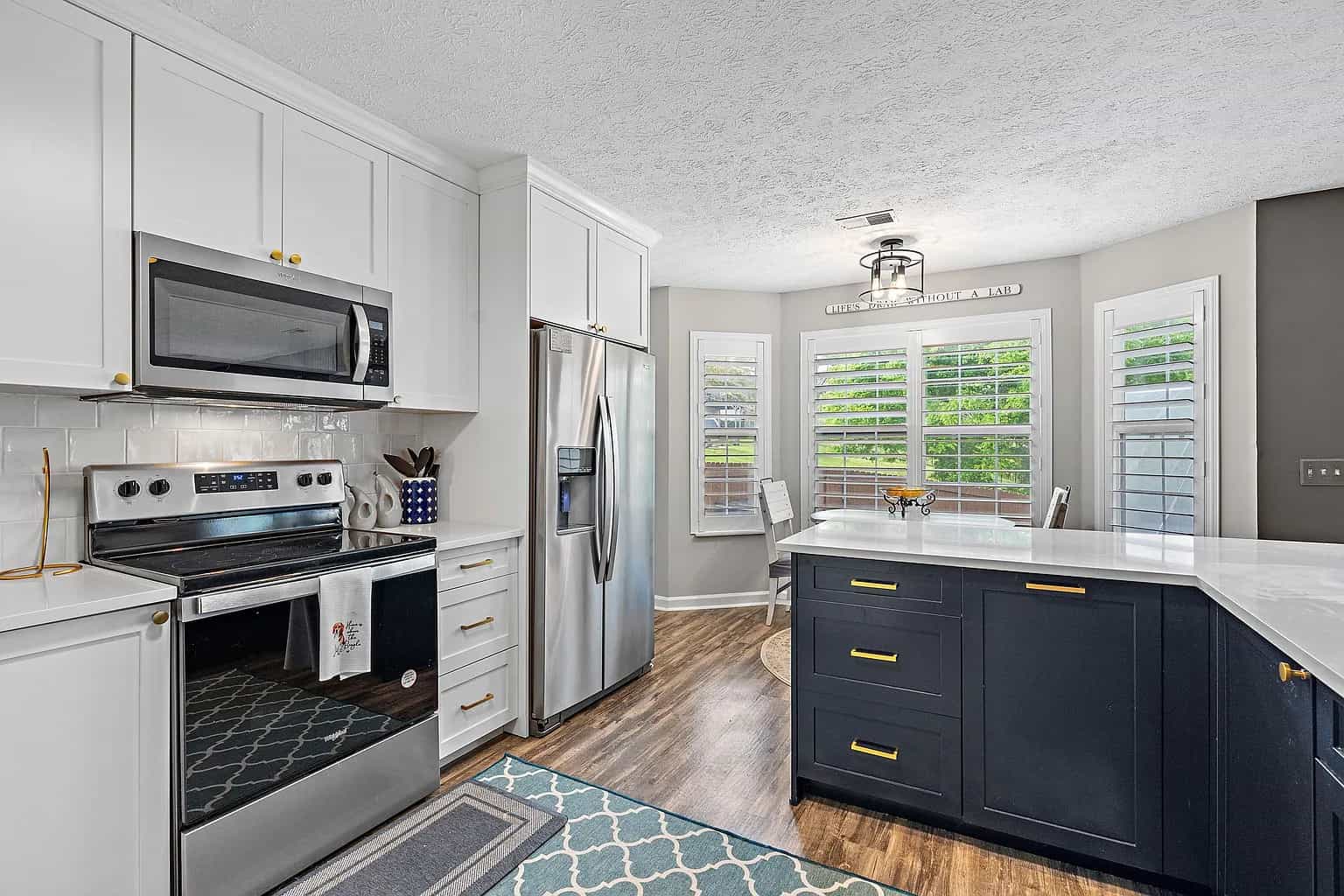

The Bottom Line
What This Kitchen Looks Like Now
The failing cabinetry is gone. In its place is new Shaker cabinetry, built around storage as a design priority and fitted out with the inserts and accessories the homeowner added during the build. The Formica is gone, replaced with new countertops that the homeowners can actually cook on. The peninsula area has been reworked so the traffic flows the way it should, and there’s finally a place to sit at the bar.
The appliances the homeowners already owned are still doing their job — pulled out for the work, put back when it was finished, no replacement cost added to the project.
The total landed at $43,178 — about 7.5% above the original $40,178 contract, with the entire variance coming from an optional homeowner-led upgrade rather than anything uncovered during the work. For a kitchen that needed targeted fixes instead of a full gut, that’s the kind of number that makes sense on paper. The homeowners spent on the things that were broken, kept the things that weren’t, and ended up with a kitchen built to last without paying for parts of it twice.
Have a Kitchen You'd Rather Fix Than Replace?
Not every kitchen needs to be torn down to the studs. If you have one that mostly works but needs the failing parts addressed, BEC Innovations can walk through the scope with you. We write fixed-price contracts up front and document any change orders as they come up — the way we did on this project.